CONTEXT
Helen Storey is Professor of Fashion & Science at London College of Fashion, University of the Arts London.
Deepa Patel is a creative facilitator and strategic thinker.
Helen and Deepa have been collaborating together for over 20 years across a broad range of projects.
“What we need is knowledge that can heal, that puts human wholeness at its centre.”
formerly UNHCR Camp Manager, Zaatari Refugee camp, Jordan, Maratane Refugee Settlement, Mozambique and longtime collaborator with Helen and Deepa
After seven years of collaboration with UNHCR Jordan, industry partners, and refugees at Zaatari Refugee Camp on the Syrian - Jordan border - where Helen and Deepa co-designed 15 projects with UNHCR Jordan and local communities - they were invited by the then camp manager, Irene Omondi, to explore and expand this work in Africa.
It was during these earlier years that a new UNHCR role was created for Helen: “UNHCR Designer in Residence” - a role whose remit continued into the work in Africa.
We began our work with communities in Dzaleka Refugee Camp, Malawi, and Maratane Refugee Settlement, Mozambique, informed by scoping trips in 2022. We learned what might be different from our previous experiences: the talents and gifts of people expressed through art and craft. Following an intuition that Africa has much to teach us all about the future, we began to co-imagine new ways of working.
These visits were less about “assessment” in the conventional humanitarian sense and more about the beginnings of new relationships and an understanding of local and historical realities.
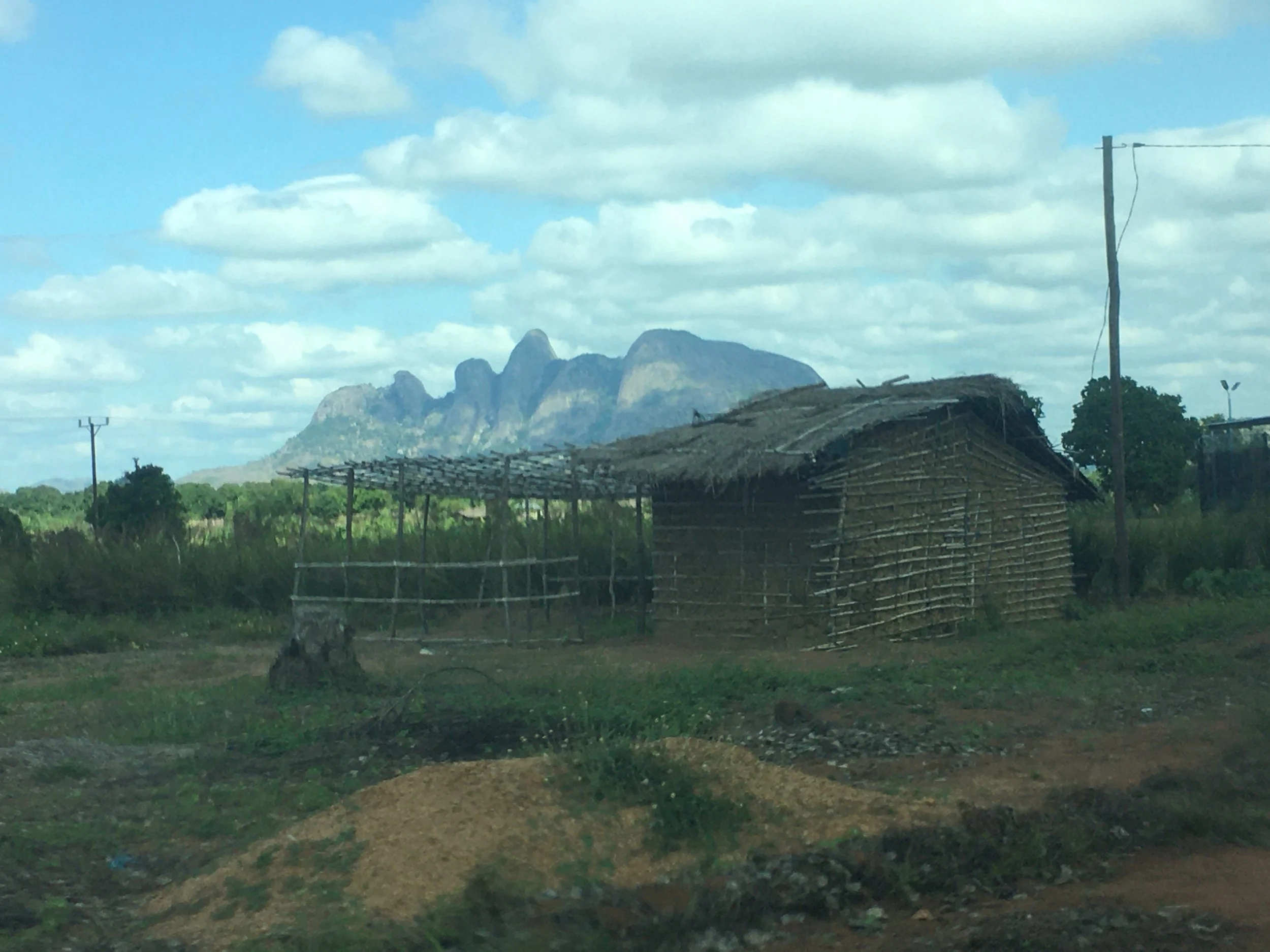
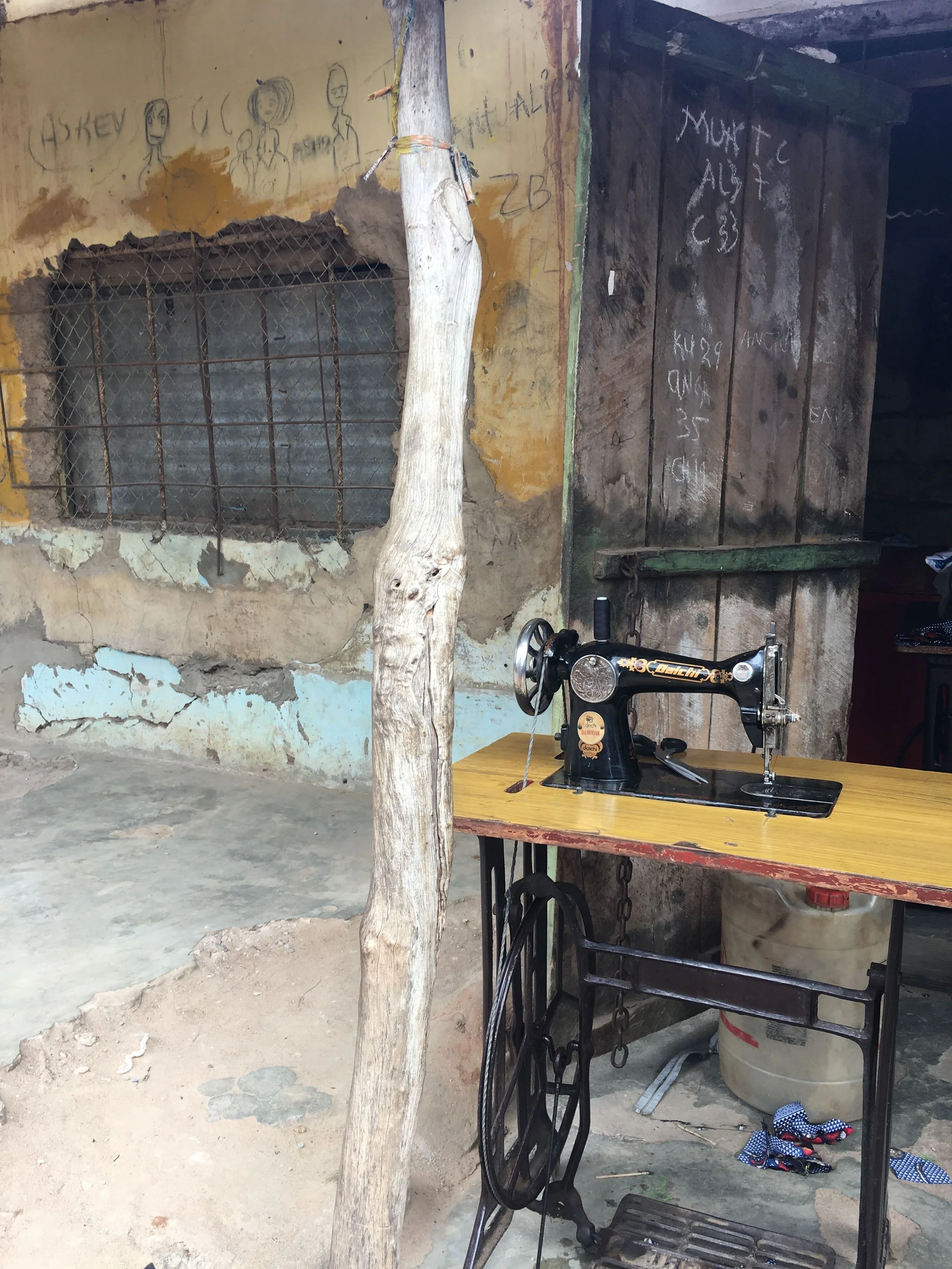
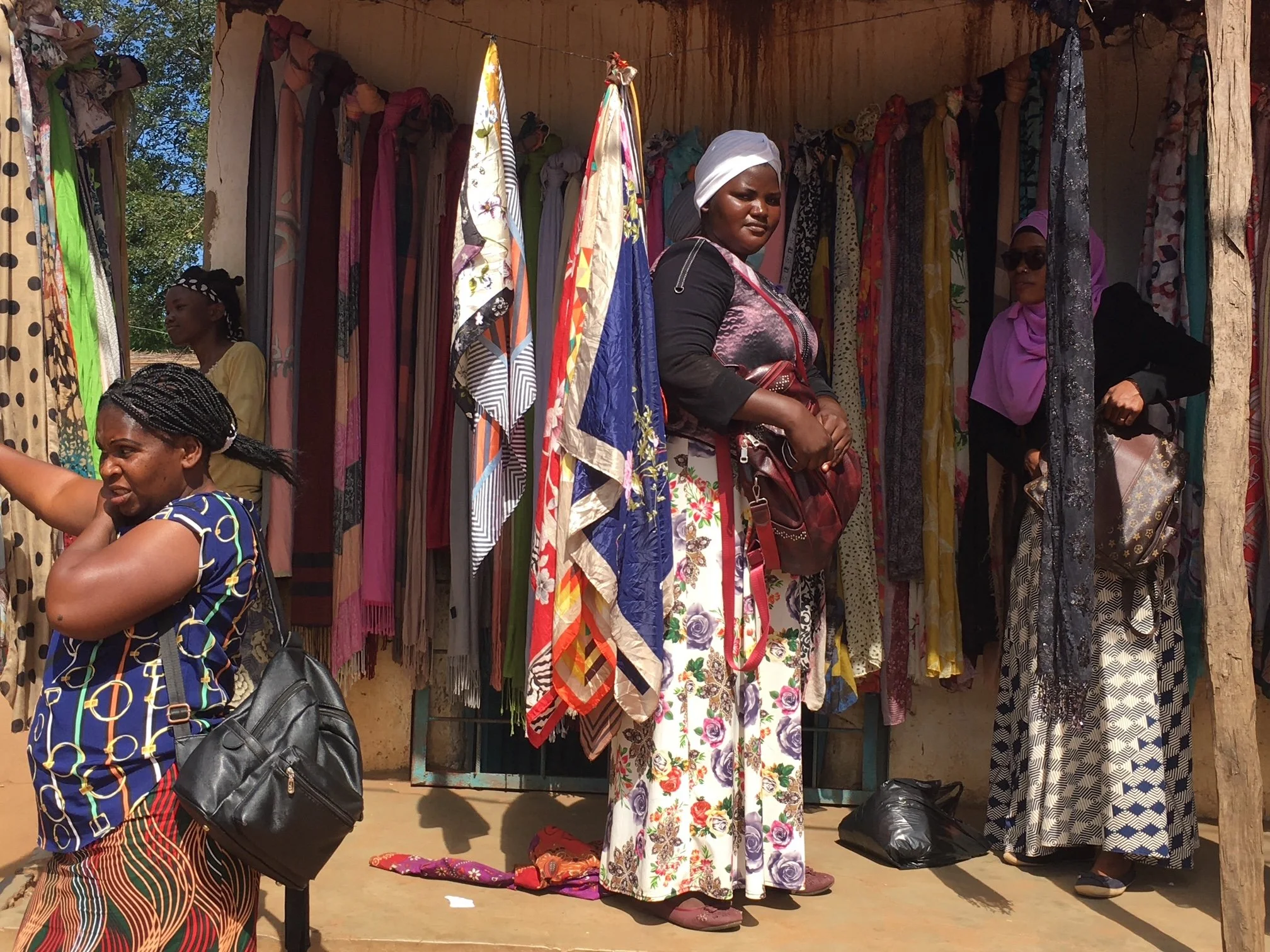
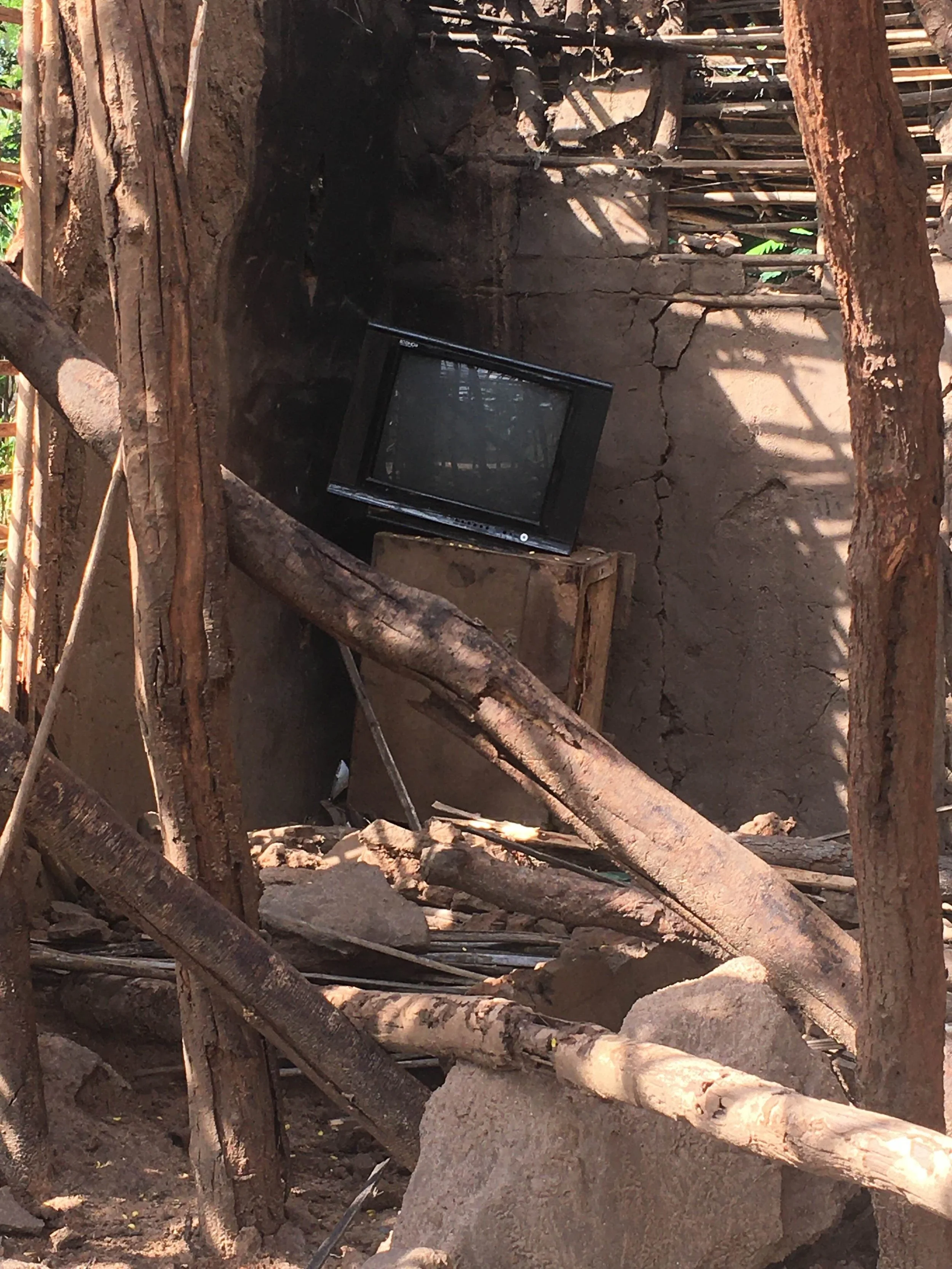
Maratane Refugee Settlement, Mozambique.
Above images
1. Old Man Mountain, Maratane refugee settlement, Nampula Province, Mozambique.
2. Sewing machine shop in the main street in Maratane refugee settlement.
3. The scarf shop – Maratane Refugee Settlement.
4. After the hurricane, dwellings and infrastructure in Maratane and the surrounding areas require repair and rebuilding each year. However, this is not always possible due to long-term underfunding. UNHCR’s operation in Mozambique requested $49 million for 2024 but had received only $23 million by the end of the year, resulting in a funding gap of approximately $26 million, or 53% of the total financial requirements.
• The 5th poorest country in the world.
• Home to nearly 750,000 people who are internally displaced due to conflict and climate change.
• Hosts over 28,500 refugees and asylum seekers, of which 35% live in Maratane settlement.
• 87% of the camp’s population have been living there between five and twenty years.
• Refugees are from: Somalia, Democratic Republic of the Congo, Burundi and Rwanda.
Data source – UNHCR UN Refugee Agency
Dzaleka Refugee Camp, Malawi.
Above images
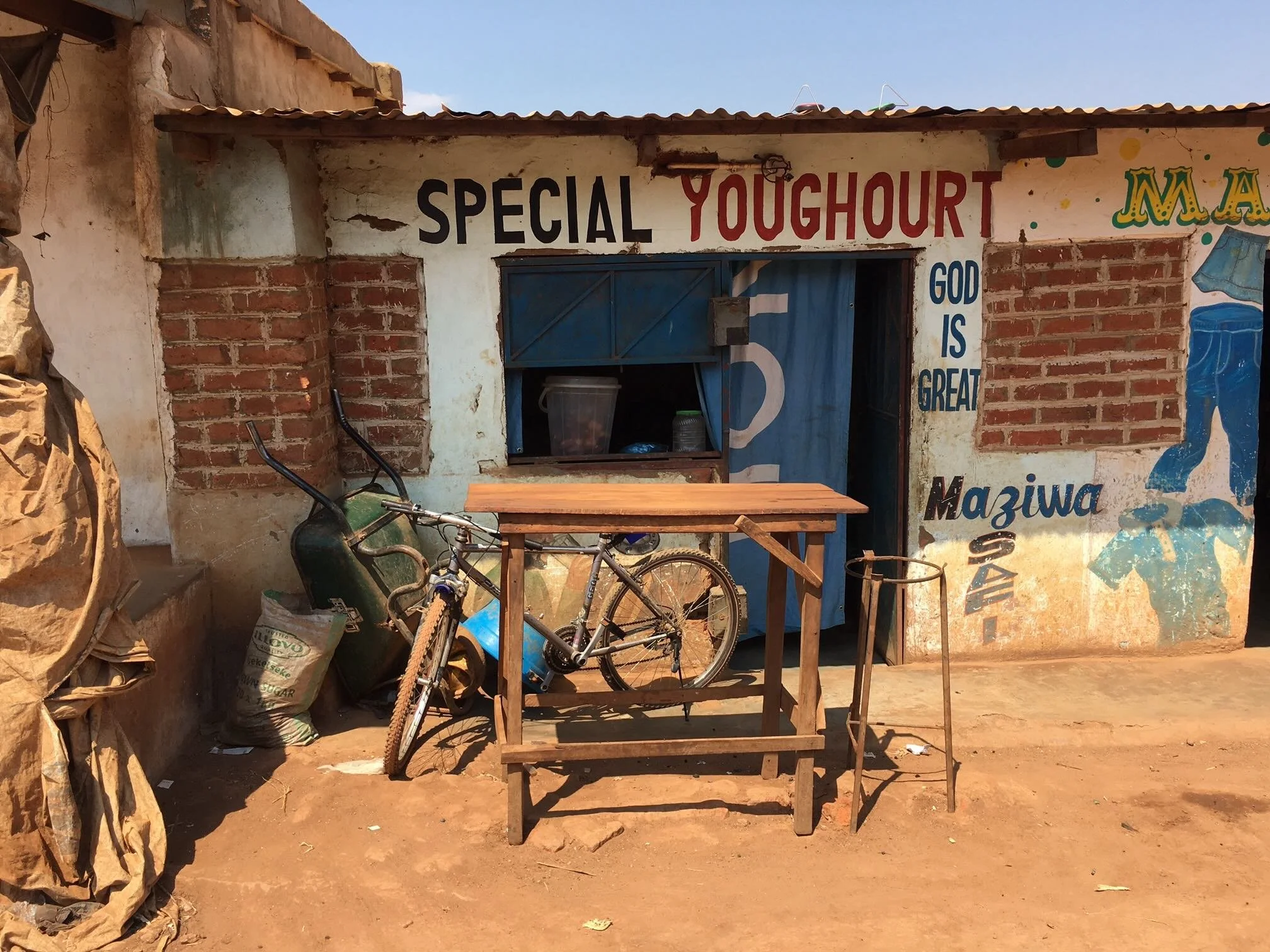
1. Dzaleka high-street shop selling yoghurt.
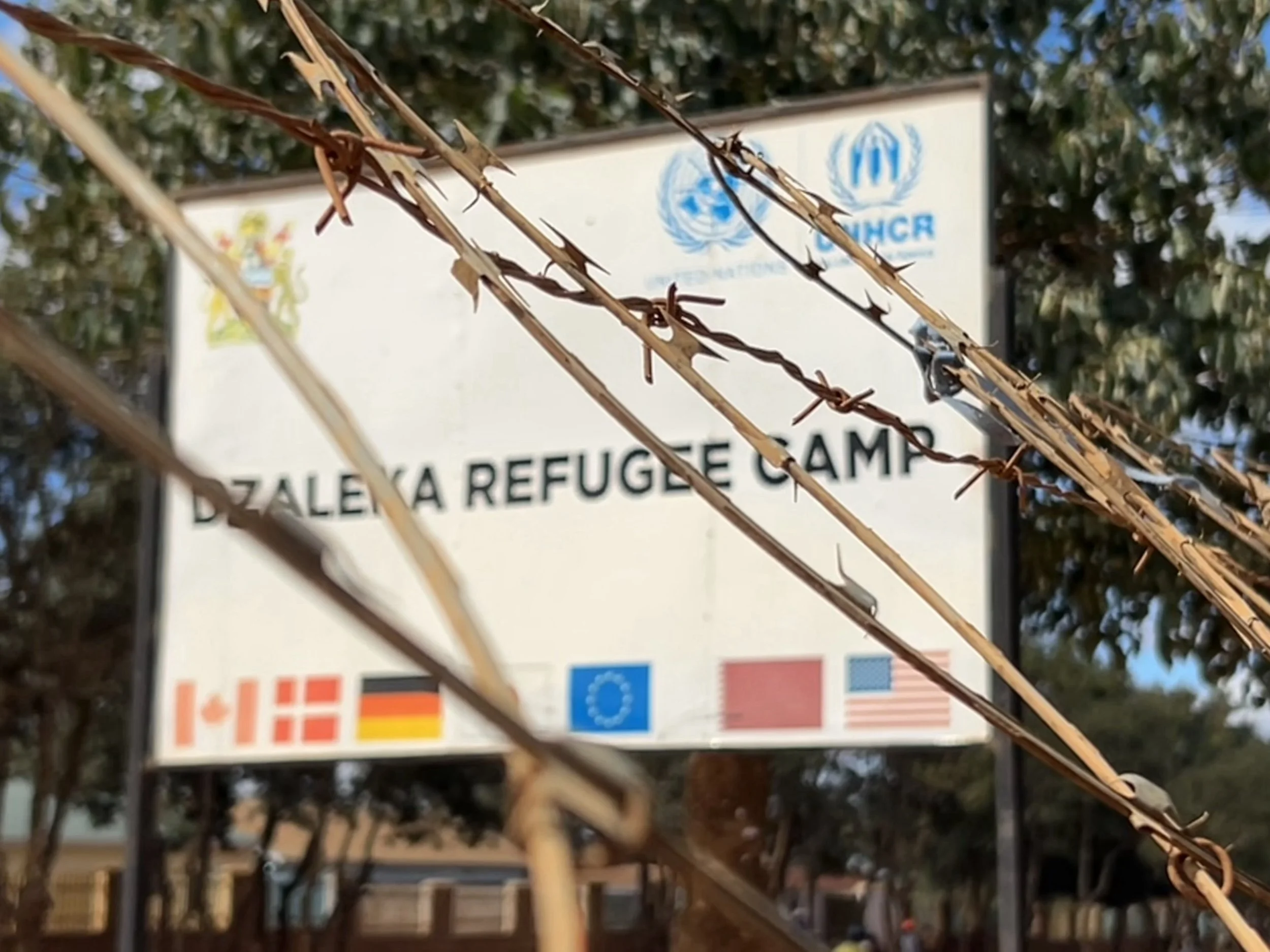
2. The gateway to Dzaleka Refugee camp.
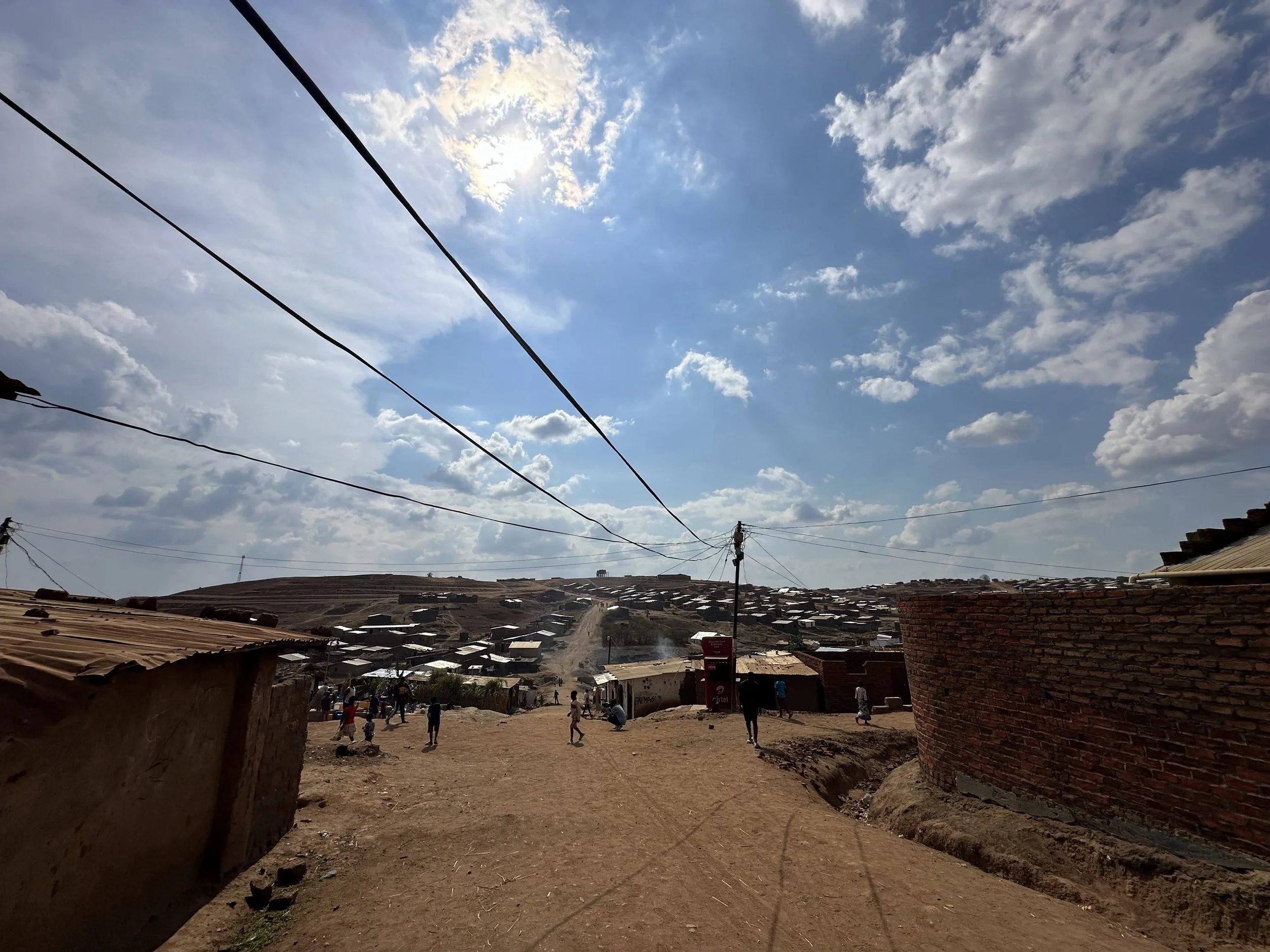
3. The main street through Dzaleka refugee camp.
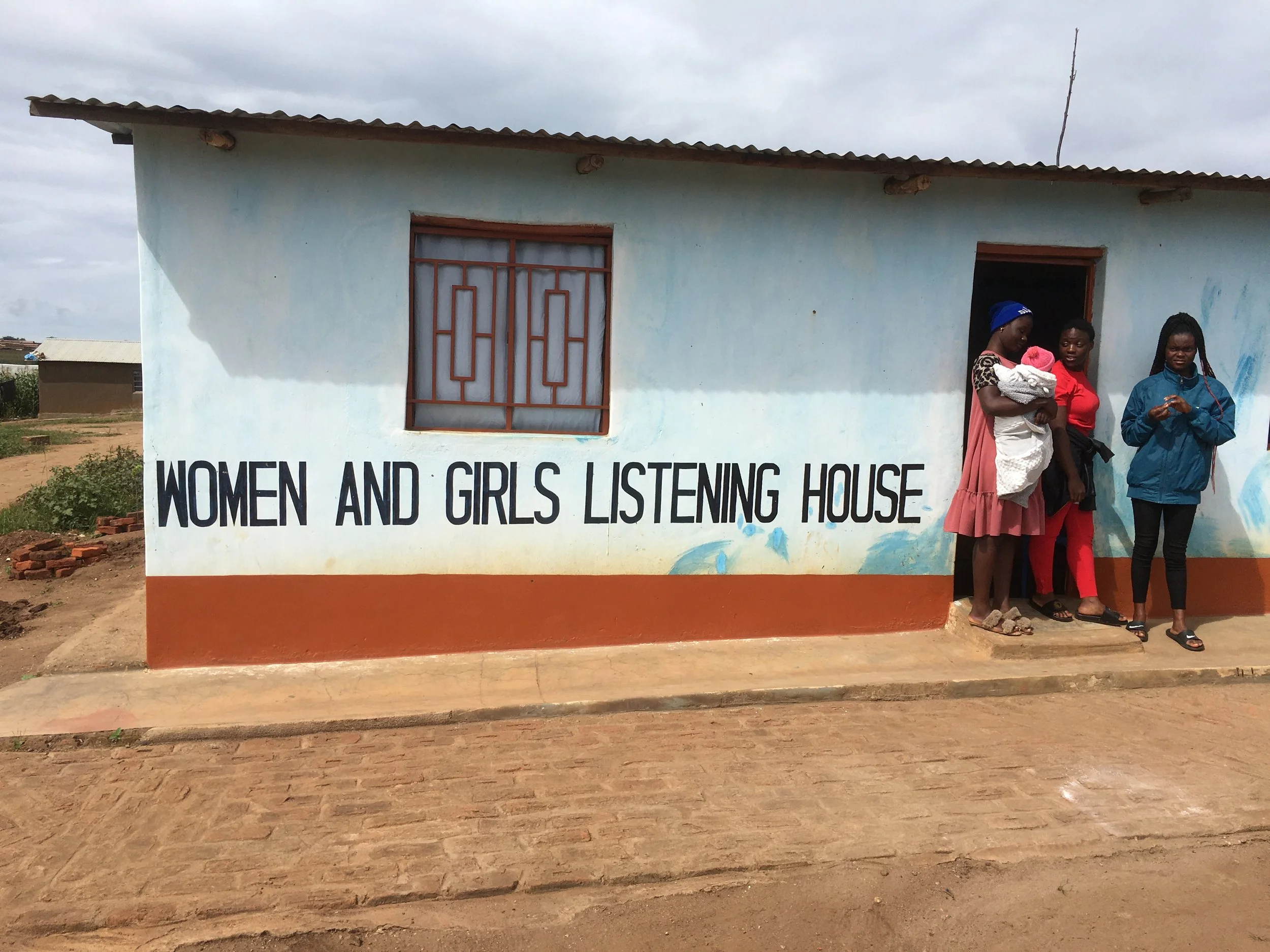
4. The “Women and girls listening house” is a gathering place for the protection of young girls and women in camp. A place of safety, advice and companionship for what it means to be female in Dzaleka.
The Tumaini Festival, held every year in Dzaleka, is a unique cultural event that uses entertainment and artistic expression to promote intercultural harmony, mutual understanding, and peaceful coexistence between refugees and their host community. It is an extraordinary example of a large-scale cultural event within a refugee camp, created and run by refugees in collaboration with the surrounding host community, for the benefit of both. It also serves as a platform for advocacy on refugee rights.
• Malawi is the world’s 4th poorest country.
• Dzaleka hosts approximately 58,000 persons of concern, including refugees, Internally Displaced Persons (IDPs) and asylum seekers, and most live in Dzaleka Refugee Camp.
• Dzaleka was originally a prison built to house 10,000 people.
• Refugees are from the Democratic Republic of the Congo, Burundi, Rwanda, Ethiopia and Mozambique.
• D’Dzaleka in Chichewa means “I will never do it again”.
Data source – UNHCR UN Refugee Agency